A Red Wall: Enhancing Creative Projects with a Versatile Background Image
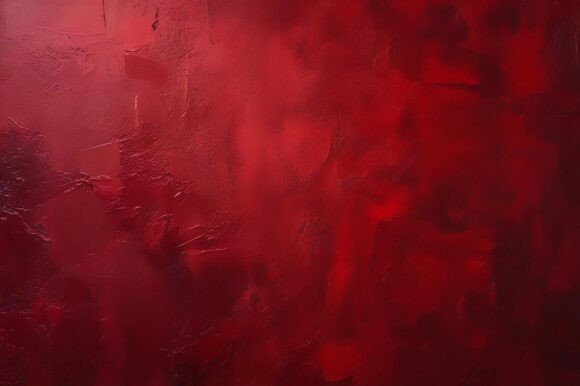
For creatives, designers, and professionals who rely on visual elements to communicate ideas, having access to high-quality background images is essential. A Red Wall offers a striking, professional-grade image that can elevate a wide range of projects. Whether you're working on digital art, web design, social media graphics, or print materials, this background provides a strong foundation for your creative work.
Designed as a downloadable JPG file, A Red Wall is optimized for use across multiple platforms and software. Its resolution of 4736 x 2688 pixels ensures clarity at any scale, making it suitable for both digital and print applications. The image’s versatility allows it to fit into various workflows, from initial concept development to final presentation.
Understanding A Red Wall in the Creative Process
A Red Wall isn’t just a static image—it’s a tool that can be integrated into different stages of a project. Before starting a design, it can serve as a reference point or a base layer for experimentation. During the creative process, it can add depth and contrast to compositions, helping to guide the viewer’s eye and establish a visual hierarchy. After the project is complete, it can act as a backdrop for presentations, portfolios, or promotional materials.
This background is especially useful when working on projects that require a bold, consistent aesthetic. For example, in branding, it can help maintain visual cohesion across different mediums. In web design, it can provide a strong visual anchor that complements other elements like text, icons, and buttons.
Practical Applications Across Industries
The adaptability of A Red Wall makes it valuable in multiple industries. Graphic designers often use such backgrounds to create mockups, posters, and banners. Artists may incorporate it into digital paintings or illustrations to add texture and dimension. Entrepreneurs and small business owners can use it for marketing materials, product packaging, or website headers to create a memorable brand identity.
In social media content creation, A Red Wall can be used as a background for posts, stories, or reels. It adds a professional touch without overpowering the main message. For educators and bloggers, it can enhance slides, infographics, or article headers, making content more engaging and visually appealing.
Integration with Design Software and Workflows
One of the key advantages of A Red Wall is its compatibility with major design tools. Whether you’re using Photoshop, Illustrator, Canva, or Procreate, this image can be easily imported and manipulated. This compatibility ensures that it fits seamlessly into existing workflows, saving time and reducing the need for additional adjustments.
When integrating A Red Wall into your workflow, consider how it interacts with other design elements. For instance, if you’re creating a poster, you might overlay text or graphics on top of the background. If you’re designing a website, you could use it as a hero section or a section divider. Understanding these interactions helps ensure that the final output is both visually appealing and functionally effective.
Preparation and Optimization for Different Uses
To get the most out of A Red Wall, proper preparation is essential. Before using the image, check its resolution and color profile to ensure it meets your project’s requirements. If you’re printing, make sure the image is set to the correct color mode (CMYK for print, RGB for digital). For web use, compressing the file size without sacrificing quality can improve loading times and user experience.
Organizing your assets is also important. Store A Red Wall in a dedicated folder alongside other design files, so it’s easy to locate when needed. This practice promotes efficiency and reduces the risk of misplacing important elements during a project.
Workflow Examples and Best Practices
Consider the following examples to see how A Red Wall can be used in real-world scenarios:
- Digital Art: Use A Red Wall as a base for a digital painting. Layer textures, colors, and elements on top to create a dynamic composition.
- Web Design: Apply the background to a website header or section. Pair it with contrasting text and buttons to ensure readability and visual appeal.
- Social Media: Create a series of posts with A Red Wall as the background. Add captions, hashtags, and branded elements to maintain consistency across platforms.
- Print Materials: Incorporate the image into business cards, brochures, or flyers. Ensure the resolution is high enough for crisp, clear prints.
These examples illustrate how A Red Wall can be adapted to different needs while maintaining a cohesive look and feel.
Quality Control and Long-Term Use
Maintaining quality is crucial when using A Red Wall over time. Avoid unnecessary edits that could degrade the image’s resolution or color accuracy. Regularly back up the file to prevent data loss, especially if it’s part of a larger project or portfolio.
For long-term use, consider how the image aligns with evolving design trends. While A Red Wall offers a timeless aesthetic, staying aware of current styles can help you decide when to update or replace it. This approach ensures that your work remains fresh and relevant.
Conclusion: A Red Wall as a Valuable Creative Asset
A Red Wall is more than just a background image—it’s a versatile tool that supports creativity, efficiency, and professionalism. By understanding its role in different workflows and applications, you can maximize its value across a wide range of projects. Whether you’re an artist, designer, or entrepreneur, incorporating A Red Wall into your process can help you achieve more polished, impactful results.